
 As part of our Week of Pinterest one of the posts we had scheduled focussed on the “dark side” of Pinterest. All new sites have a teething period and because of Pinterest’s incredible rate of growth, there may be more teething issues than with other sites. Pinterest are already starting to sort some of these issues out, but we have a few others we would like to see addressed.
1. Following
There is a lack of privacy settings and you can’t control who is following you.
Solution: Clear privacy settings and account controls that allow you to block unwanted followers. Even better, we’d like to be able to create lists or circles that allow us to organise people we follow into subsets.
2. Making money on your pins without your permission
Pinterest make money by embedding code and tracking links (aka affiliate links) in your pins without asking your permission to use your stuff. This is not illegal, but it doesn’t feel very good.
Solution: Include a permission opt in/out in the account control panel, and ensure Pinterest’s affiliate links don’t override our own if we choose to use them.
3. Problems with sourcing the original pin information
When you find a page online that describes a great way to restore an old chair and you decide to pin it to your ‘Inspiration’ board, you need to use the URL of the exact post, not the homepage of the site. If you don’t, people may not be able to find the original article and so pinning it was pointless.
Because some people don’t realize that you need to use the exact URL, many pins are useless to other Pinterest users and therefore to the owner of the original post, as they won’t drive any new traffic to their blog. (But the pin can still be quite useful to Pinterest as money-making opportunities. Hmmm.)
Solution: Make it clear to users which URL to use when pinning.
4. Copyright issues
The big one everyone is alarmed about, and rightly so.
To avoid copyright infringement, you need permission to use something. Because of the way Pinterest works, it’s hard to ensure copyright is honoured. Are you asking people if you can pin stuff from their site? Has anyone asked you if they can pin your things? When you repin something, you assume that it’s OK to do so, and the correct source is credited but you have no way of knowing. This post on the Hubpages site describes in more detail the challenges with copyright of images, which is also based on the size at which Pinterest stores a copy – it’s a must-read.
You can watermark your images to make provenance clear, but not everyone wants to do that or knows how to.
The images you put on Pinterest (or your images that others put there) compete directly with the originals on your site. Because people frequently search for something by looking through images, they may find your image on Pinterest before they find your blog, and the pinned image may or may not have a correct link back to your blog.
Wouldn’t you rather they found your blog first? Here’s an example of how an original image can be used over and over without the original creator of that picture being credited.
Once you pin an image to Pinterest, they can sell or distribute it. Even if someone else has pinned your image there.
Pinterest’s terms of use state that if you upload content to Pinterest, then you’re giving Pinterest permission to distribute, sublicense, and sell that content. If you are using Pinterest for affiliate links, Pinterest has a right (according to their Ts & Cs) to modify the link so that their affiliate link is attached making money for Pinterest from your image.
Pinterest also have an ‘embed’ button with every image allowing anyone to display that image on their own site. So why would you bother buying from an image stock site when you can just use a ‘free’ image from Pinterest? This is the scary thing to people who are worried about copyright.
Solution: It all gets very knotty and complicated, with a lot of issues in play. Pinterest needs to employ copyright laws, ensure image licenses are honoured and displayed, make it easier and more evident on how to credit and link back to original sources, clearly warn users that to reuse an image from Pinterest without clear permission from the owner of the image is illegal.
Here’s how blogger Amy Locurto, who wrote the piece named above about original sources not being credited, has marked a picture.
Also check out Amy’s post about “how Pinterest is changing the way I blog“. Very informative and insightful stuff.
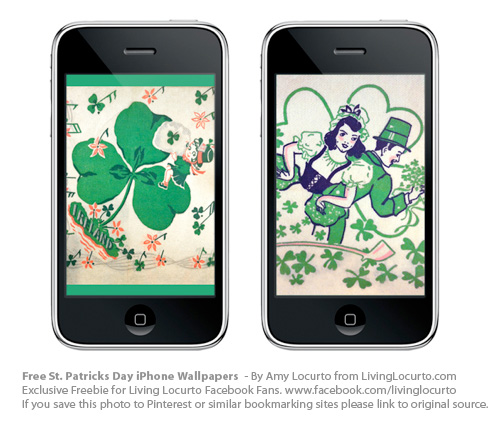
Picture from LivingLocurto.com
5. Not everyone wants to be pinned
But how can we stop being pinned?
Solution: Pinterest have just this week introduced an opt-out for sites who don’t want to be a part of it.
The conversation about Pinterest will continue to evolve. It’s a fun tool for image sharing – we’re hoping that they move swiftly to address the concerns of users, bloggers and anyone else whose images are featured, so we can all continue to enjoy it.
What are your thoughts and concerns about Pinterest and these issues?

About
BritMums is the UK’s original collective of lifestyle bloggers and digital influencers, fueling the country’s most influential social content. We lead the online conversation with members who are parent social influencers creating content on topics ranging from food, parenting, travel, politics, style and more.
Wondering how to use Pinterest for business? « Easy Tech Club
Wednesday 29th of February 2012
[...] Hubspot Ebook – How to use Pinterest for Business 56 Ways to Market Your Business on Pinterest 26 Tips for using Pinterest for Business The Potential of Pinterest 5 things that worry us about Pinterest [...]
Pinkoddy
Monday 27th of February 2012
Have these concerns been forward on to those concerned at pinterest?
Omnia
Monday 27th of February 2012
All of your points abut Pinterest are true We have the same concerns abut the following and the possible copy write issues. Do you think the interest in the social site will last? Take a look at our blog post and let us know what you think http://omniaagency.com/blog/
Circus Queen
Saturday 25th of February 2012
I think my biggest issue would probably be the one about search engines finding the image on pinterest rather than on my blog. That said, I haven't made up my mind yet whether to install the opt-out code.